Should you remodel before you sell your Kirkland home, or list it as-is and move forward? You want to protect your net proceeds, avoid delays, and reach the right buyer pool. This guide gives you a clear, local framework to compare both paths using costs, timelines, permits, disclosures, and buyer financing considerations. You will finish with practical checklists and next steps so you can decide with confidence. Let’s dive in.
Kirkland market realities
Kirkland sits in the Eastside part of the Seattle metro, where buyer expectations are generally high. Proximity to major employers and premium neighborhoods means many buyers look for updated kitchens, refreshed baths, and systems in good repair. That does not mean every home needs a full remodel. It does mean presentation, condition, and timing matter.
Price tier affects expectations. Higher price points often demand elevated finishes. In lower to mid tiers, buyers may accept some work, but financing standards and the size of the buyer pool still shape outcomes. Seasonality and inventory also play a role. In faster markets, light updates and strong staging can be enough. In slower markets, targeted improvements can help you stand out.
What updates add value
Not every project pays for itself. Start with low-cost, high-impact work, then layer in selective upgrades if comps support them.
Tier 1: High impact, lower cost
- Deep clean, declutter, and neutral interior paint
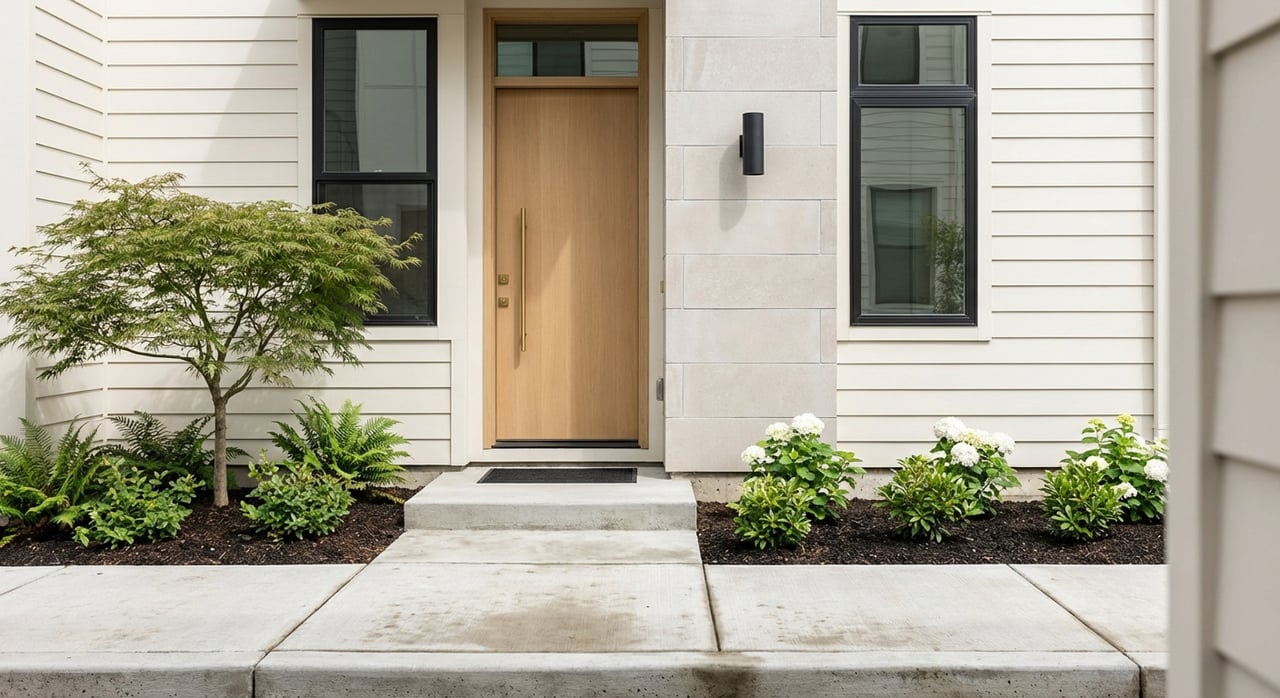
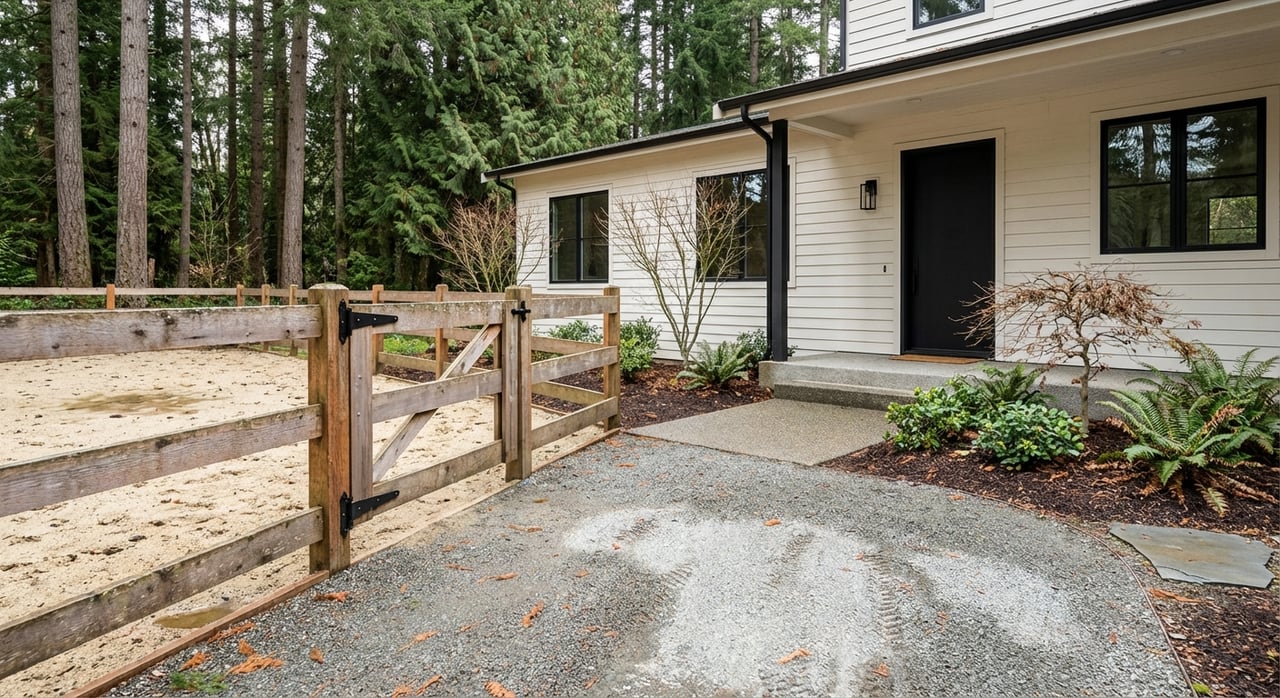
- Curb appeal lift: lawn care, shrubs, pressure washing, front door paint
- Replace dated light fixtures and hardware
- Minor kitchen refresh: new pulls, clean or refinish surfaces, faucet swap
- Bathroom refresh: regrout, new mirror and lighting, modern fixtures
Tier 2: Moderate cost, good impact
- Replace worn carpet or damaged floors with durable, neutral options
- Appliance refresh to a matching set when current units feel dated
- Countertop replacement if surfaces are visibly worn or out of step with local comps
- Lighting upgrades and simple storage solutions
Tier 3: Higher cost, higher risk
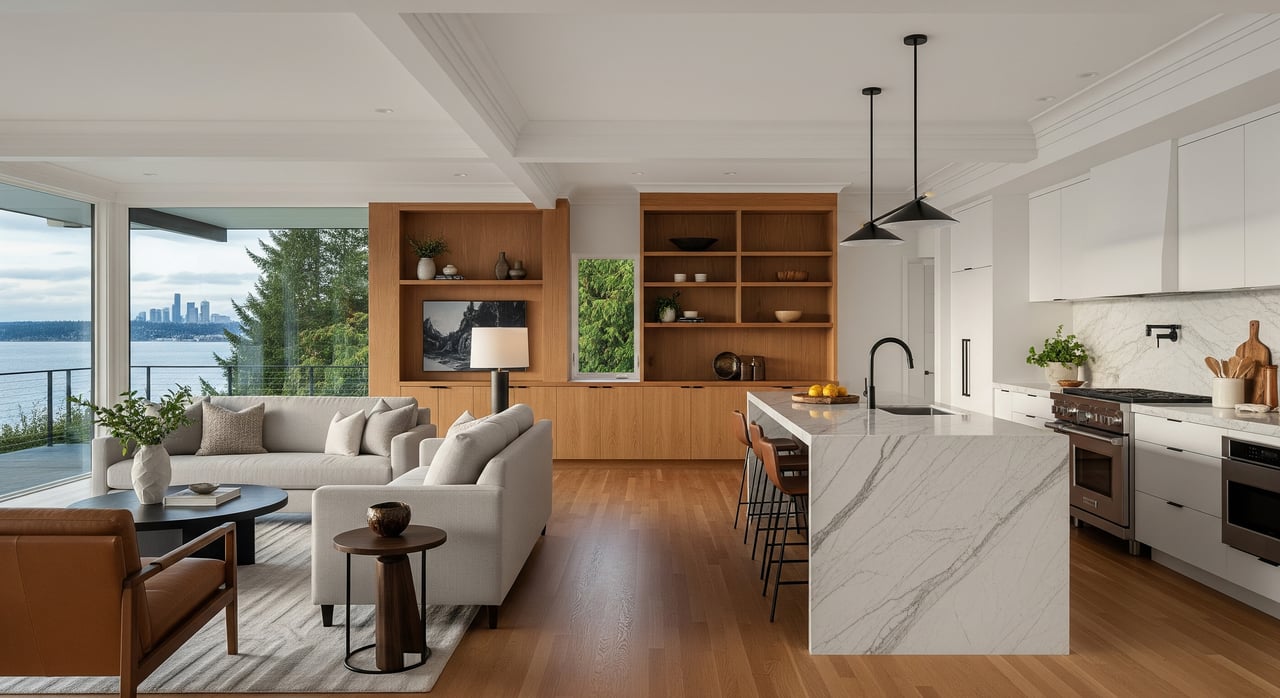
- Full kitchen and luxury bath overhauls
- Structural changes or additions that require lengthy permits
- Highly personalized finishes that narrow buyer appeal
These larger projects can work when nearby sales support the added value and you have the time and budget to execute. Be careful not to overbuild beyond neighborhood norms.
When selling as-is makes sense
Listing as-is can be the right move when time, capital, or scope make renovation impractical. It can also fit properties with significant deferred maintenance or unknown issues that could balloon costs. As-is listings tend to attract investors and buyers willing to renovate, which can reduce days on market but may come with a pricing discount.
Consider an as-is path if you need to close quickly, cannot manage a project, or face major items like roof, drainage, or structural concerns. You can still complete quick fixes for presentation, disclose known defects, and price for condition. In many cases, you will net more by avoiding a risky remodel timeline.
Permits and disclosures in Washington
Washington sellers must disclose known property conditions to buyers. Listing as-is does not remove your obligation to disclose material defects. Be transparent about issues like leaks, structural movement, drainage, or previous unpermitted work. If your home was built before 1978, federal lead-based paint disclosures apply.
Many remodels require permits through the City of Kirkland, especially structural changes, electrical, plumbing, mechanical systems, and additions. Cosmetic work like paint typically does not. Larger projects require plan review and inspections that can add weeks or months. If you live in a community with an HOA, confirm exterior guidelines and approval timelines before starting work.
Financing, appraisals, and the buyer pool
Condition affects who can buy your home and at what price. Updated homes generally draw a larger pool of owner-occupant buyers and may inspire stronger offers. As-is homes can sell quickly to cash or investor buyers, but often at a discount that reflects repair scope and risk.
Lenders rely on appraisals. Significant condition issues can reduce appraised value or trigger required repairs before closing. While there are renovation loan options, such as buyer financing that rolls repairs into the mortgage, not all buyers will take on the extra steps. If you lean as-is, prepare for a smaller but decisive buyer pool.
A step-by-step decision framework
Follow this simple process to compare your paths side by side.
Step A: Gather data
- Request a Kirkland-specific comparative market analysis for both updated and as-is condition
- Obtain 2 to 3 written contractor bids with an itemized scope and likely permitting needs
- Consider a pre-listing inspection or contractor walkthrough to surface hidden issues
Step B: Estimate the numbers
- As-is scenario: expected sale price based on condition comps, minus selling costs and carrying costs to close
- Post-remodel scenario: expected sale price based on updated comps, minus remodel costs including permits, contingency, selling costs, and extended carry
- Include soft costs: staging, landscaping, photos, utilities, taxes during carry, and a 10 to 20 percent contingency for overruns
- Compare net proceeds and timeline for both paths
Step C: Weigh qualitative factors
- Timeline: Do you need to sell in 30 to 60 days, or can you wait through a remodel?
- Risk tolerance: Are you comfortable managing contractors and possible change orders?
- Neighborhood fit: Will upgrades be supported by nearby sales, or risk overbuilding?
- Buyer demand: Will a move-in-ready home draw premium offers in your price tier?
Step D: Stress-test your plan
- Run best and worst cases for both remodel cost and final sale price
- If the remodel only beats as-is in an optimistic case, consider listing as-is with a strong presentation plan
- Explore partial upgrades: paint, floors, lighting, landscaping, and staging often deliver the best risk-adjusted returns
Practical checklists
Use these quick lists to stay organized.
If you are leaning remodel
- Get a CMA for both updated and as-is comps
- Secure 2 to 3 contractor bids and confirm permit needs
- Verify HOA approvals if applicable
- Model net proceeds for both scenarios, including contingency
- Book work and leave buffer for review and inspections
If you are leaning as-is
- Complete quick fixes: paint, deep clean, declutter, basic repairs
- Lift curb appeal and confirm core systems function as intended
- Consider a pre-listing inspection to reduce surprises
- Prepare thorough disclosures and price for condition
- Schedule professional photos and targeted marketing
Questions to ask your agent or contractor
- How many comparable Kirkland sales in the last 6 to 12 months match this level of finish?
- What permit fees and timeframes should I expect for this scope?
- What discount do investors typically apply for this condition in this neighborhood?
Timelines and contractor planning
Small cosmetic updates often take 1 to 4 weeks, depending on scheduling. Moderate projects like a kitchen refresh or partial flooring may take several weeks to a few months. Full remodels or additions can run multiple months once you include permitting and inspections.
Choose licensed, insured contractors with Eastside experience. Ask for references, a clear payment schedule, and itemized scopes. Confirm availability and lead times before committing your listing date.
Selling strategies to maximize outcome
A pre-listing inspection can surface issues before buyers do, helping you decide whether to fix, credit, or price accordingly. If you do not want to make repairs, consider offering a closing credit in alignment with lender rules. If you are selling to investors, solicit multiple offers so you can compare terms, timing, and net.
Staging and professional photography are essential in either path. Even as-is homes benefit from clean lines, neutral color, and clear sightlines. Your goal is to help buyers see the home’s potential while being transparent about condition.
The bottom line for Kirkland sellers
Start by doing the math. Build two honest scenarios: as-is and post-remodel. Include all costs, time, and risks. Prioritize low-cost, high-impact updates first and only pursue larger projects if your comps support the value and your timeline allows. Local data and disciplined preparation will point you in the right direction.
If you want a confidential, Kirkland-specific plan with vetted contractor bids, a precise CMA, and a marketing strategy tailored to your home, reach out to Karen Balkin for boutique, concierge guidance.
FAQs
What does “as-is” mean in Washington home sales?
- It means you do not plan to make repairs, but you still must disclose known material defects and comply with required disclosures.
Do I need permits for a pre-sale remodel in Kirkland?
- Structural, electrical, plumbing, mechanical, and additions typically require permits; cosmetic work like paint usually does not. Confirm scope and timelines before you start.
How do appraisals and financing affect as-is sales?
- Significant condition issues can lower appraised value or require repairs before closing, which may limit buyers to cash or conventional financing comfortable with the home’s condition.
Which quick fixes deliver the best ROI before listing?
- Neutral paint, deep cleaning, landscaping, updated lighting, hardware swaps, and selective flooring replacements commonly produce strong buyer response at modest cost.
When is a pre-listing inspection worth it?
- When you want to avoid last-minute surprises, price accurately for condition, or decide between fixing items now versus offering credits or selling as-is.