Moving to Bellevue for a new role and trying to pin down where to live? You are not alone. Between new light rail service, varied neighborhood vibes, and very different price points by housing type, the choices can feel overwhelming. This guide gives you a clear, practical look at 98004 and nearby areas, with real commute context, what to expect for condos vs. townhomes vs. single‑family homes, and how to match your lifestyle to the right location. Let’s dive in.
Why 98004 is a smart landing zone
Downtown Bellevue’s 98004 zip is the city’s urban core. You will find the highest concentration of condo towers, mixed‑use blocks, dining, and direct access to major employers. Zillow reports the typical 98004 home value around $1.92M as of January 31, 2026. At the same time, Redfin reports a citywide median sale price near $1.56M in January 2026, and a Downtown Bellevue neighborhood median around $1.02M. These figures use different geographies and home types, so use them as context and verify current numbers before you buy.
Commute times are a major reason many relocators choose 98004. The City of Bellevue’s mean travel time to work is about 23.7 minutes, according to the American Community Survey. You should still expect variability by corridor and time of day. Bridges and interchanges can slow things during peak hours. You will also want to factor in new rail service: the Eastside segment of Link’s Line 2 began serving Bellevue and Redmond in 2024, and the Downtown Bellevue to Redmond Technology Station ride is roughly 10 minutes. A full cross‑lake connection into Seattle has been reported as beginning service in March 2026. Always check current schedules and headways before you plan your commute.
- Reference: mean commute time from the U.S. Census QuickFacts for Bellevue. See the city snapshot.
- Reference: East Link travel times and service updates. Review Sound Transit’s Line 2 release.
- Reference: cross‑lake opening timeline as reported regionally. Read Axios’ update.
Housing types near major tech campuses
Urban condos in 98004
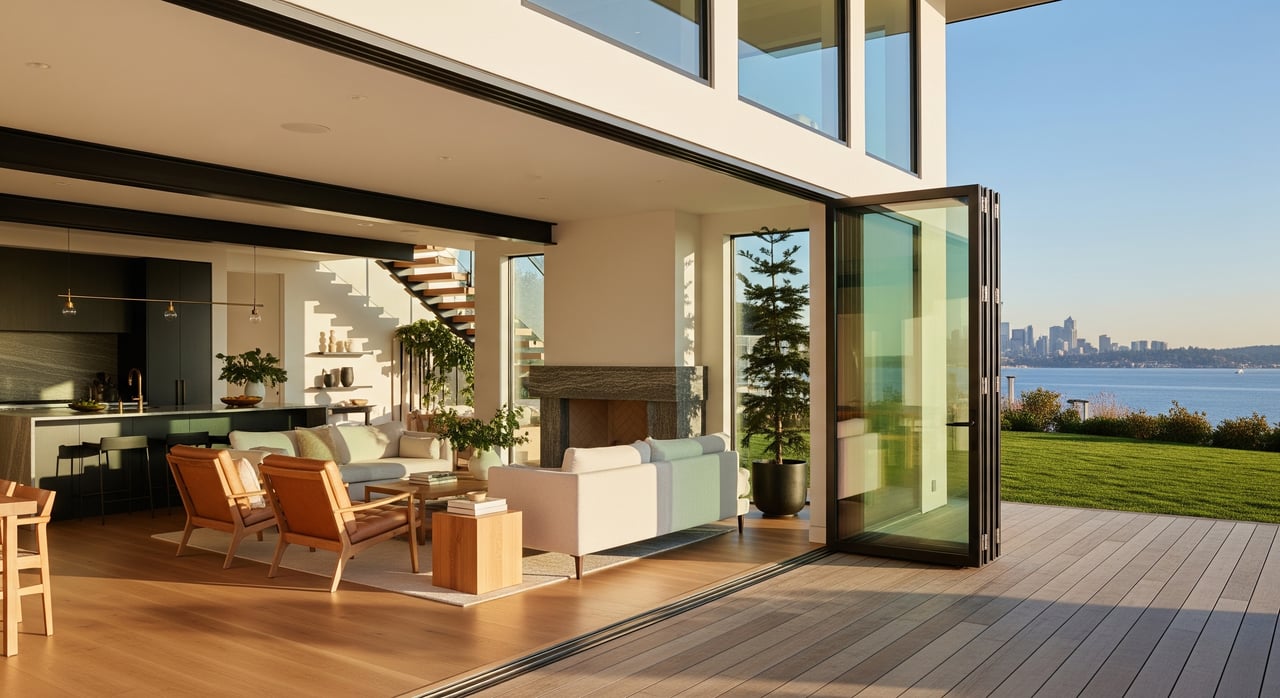
If you want to be steps from offices, restaurants, and rail, downtown condos are the most direct fit. Expect amenity‑rich towers and newer boutique buildings with concierge, fitness areas, rooftops, and secured parking. Listing prices vary widely by building, view, and finishes. Downtown condo options can range from the lower mid price points into several million for luxury residences. Monthly HOA dues are a key line item. In 98004, HOAs can span from the low hundreds to roughly $1,200 to $1,400 per month in full‑service towers, depending on amenities and utility inclusions. Always review the resale certificate, reserve study, and current HOA budget during due diligence.
Luxury townhomes
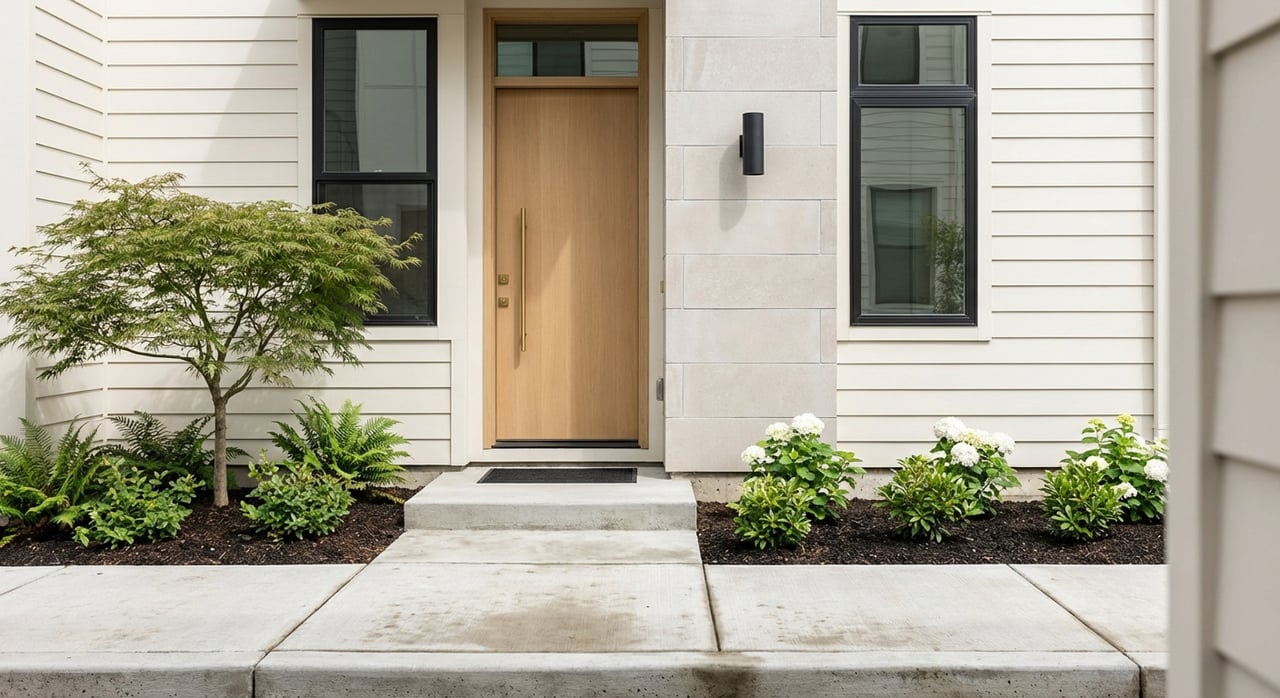
Townhomes sit between condos and single‑family homes on both price and space. Many newer Eastside townhomes offer private garages, efficient layouts, and lower HOAs than full‑service towers. Pricing typically falls between downtown condo numbers and single‑family prices, often in the mid six‑figure to low seven‑figure range depending on location and finishes. If you want more square footage without yard maintenance, this can be a smart middle ground near transit and major corridors.
Single‑family homes nearby
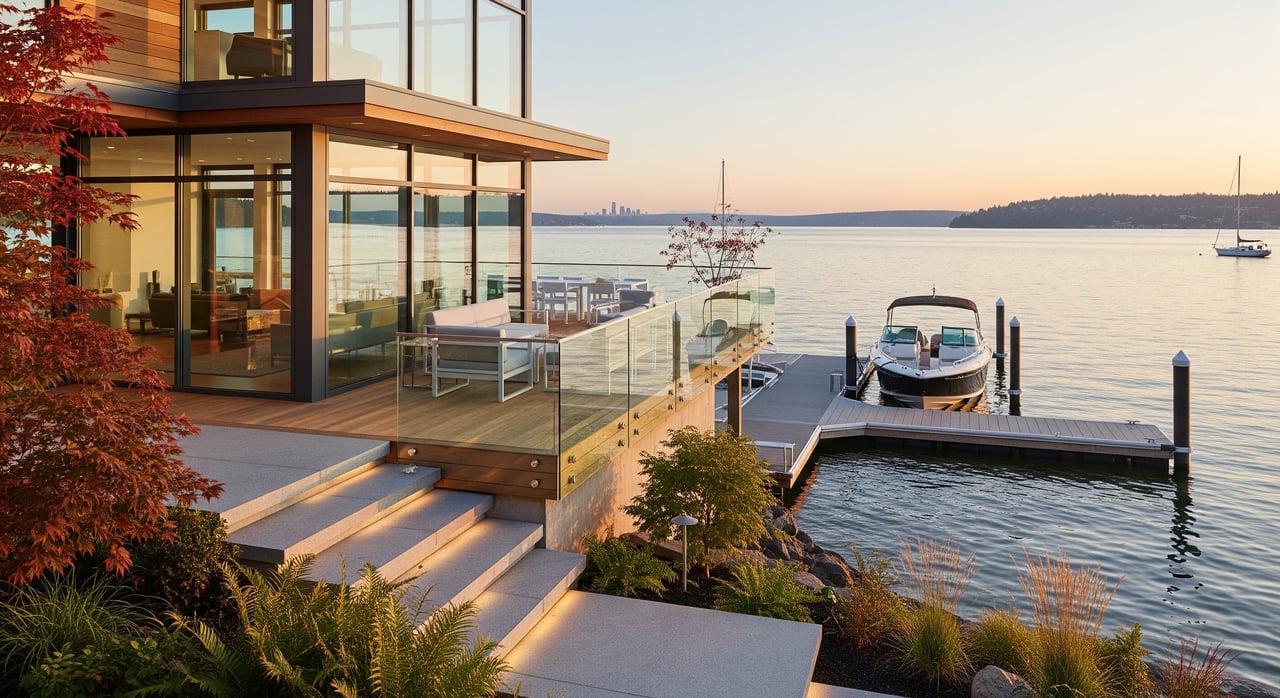
Buyers seeking a private yard and more indoor space often look to West Bellevue, Bridle Trails, Enatai, Woodridge, and Eastgate/Factoria. Citywide medians sit in the mid‑$1.5M to $1.7M range by recent reporting, while West Bellevue and special‑location properties often trade at several million. Commutes from these areas vary by corridor, so weigh drive times, access to rail stations, and your daily schedule.
Newer options in Bel‑Red and the Spring District
Bel‑Red, including the Spring District, is planned as a transit‑oriented mixed‑use area with new housing and jobs near East Link stations. If you want newer construction and immediate rail access, keep this on your shortlist. Learn more about the city’s planning approach in the FHWA case study on the Bel‑Red Subarea. For service patterns and station details, confirm current information on Sound Transit’s Line 2 updates.
Neighborhoods and commute tradeoffs
Downtown Bellevue (98004)
- Housing: high‑rise condos, a few townhomes, immediate access to shopping and dining.
- Commute: walk to many offices; about 10 minutes on Line 2 to Redmond Technology Station. Cross‑lake service to Seattle is reported for March 2026, which will expand practical transit options. Confirm details on Sound Transit’s official updates.
Wilburton / Bel‑Red / Spring District
- Housing: a growing mix of newer apartments, condos, and townhomes designed around transit.
- Commute: short rail or bus rides to Downtown Bellevue and Overlake/Redmond. This is a strong walk‑to‑transit choice for hybrid schedules.
Bridle Trails
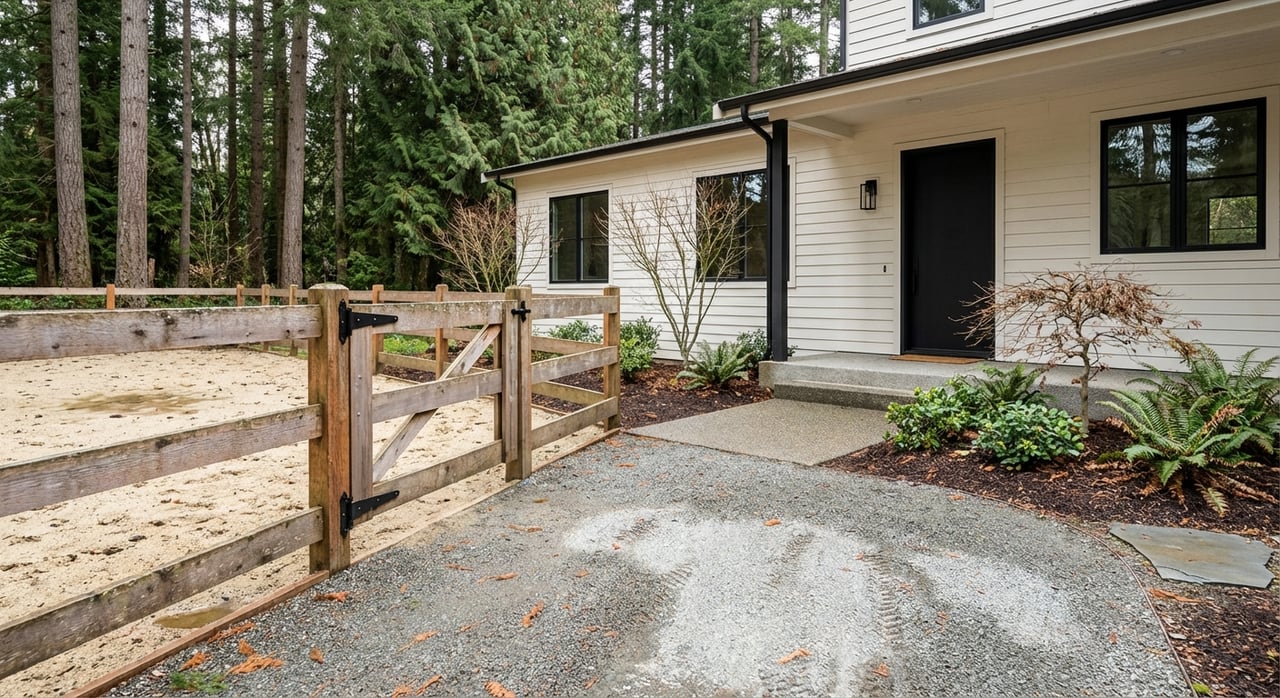
- Housing: predominantly single‑family on larger lots, with an equestrian character in parts. Get a feel for the area in this local neighborhood profile.
- Commute: short drives or bike rides to the Redmond and Overlake employment core. Expect longer and less predictable cross‑lake trips.
Eastgate / Factoria / Lake Hills
- Housing: mostly single‑family with some attached options, often more cost‑efficient than West Bellevue when considering price per square foot.
- Commute: typically a 10 to 25 minute drive to central Bellevue outside of peak snarls. Access to I‑90 and I‑405 is a plus, but times vary with traffic.
Overlake / Redmond
- Housing: a blend of single‑family, townhomes, and condos near the Redmond employment hub.
- Commute: many employees pick this area to minimize daily travel to Microsoft and nearby campuses. Some also leverage employer shuttles for predictability.
Transit and commute realities to factor in
- East Link changed the game. The 2024 opening of the Eastside segment created a reliable rail spine between South Bellevue, Downtown Bellevue, and Redmond Technology. The Downtown Bellevue to Redmond Technology hop is about 10 minutes. For current headways and operating hours, always check Sound Transit’s service notices.
- Seattle access is set to improve. Cross‑lake service into Seattle is reported to begin in March 2026. That linkage can make living in Bellevue more attractive for those with regular Seattle meetings. See recent regional reporting from Axios.
- Employer shuttles still matter. Microsoft’s Connector shuttle network remains popular for predictability and coverage. Learn more context about the campus scale on the Microsoft campus overview.
- Driving times vary. SR‑520, I‑90, and I‑405 have peak‑hour congestion and variable tolling that affect both time and out‑of‑pocket cost. The average commute is around 24 minutes, but peak swings are common. Plan test drives at your actual commute hours.
How to choose: a quick checklist
Use this simple framework to match housing to your priorities:
Commute priority
- Want the shortest door‑to‑door time to Eastside campuses? Look at 98004 condos and Spring District options near Line 2 stations. The Downtown Bellevue to Redmond Technology rail segment takes about 10 minutes. Confirm times on Sound Transit’s updates.
- Prefer more living space with a reasonable drive? Consider Bridle Trails, Eastgate, or areas of West Bellevue.
Money tradeoffs
- Downtown condos can offer lower day‑to‑day maintenance and walkability. Monthly HOAs vary widely and can be a major budget line.
- Single‑family homes often carry higher purchase prices and property taxes but minimal HOA costs and more private outdoor space.
Schools and boundaries
- The Bellevue School District reports being named the 2026 Best School District in Washington. Review the district’s announcement and confirm assigned schools by boundary map before you buy. Start with the Bellevue School District news page.
Future development and resale
- Proximity to Link stations is often viewed positively for access and long‑term demand. It can also mean nearby construction during growth years. For planning context, review the Bel‑Red Subarea case study.
Next steps: tour like a local
- Define your commute. List your most frequent destinations and meeting cadence, then map rail and shuttle options first. Cross‑lake rail service is reported to start in March 2026, which can change your calculus.
- Set a full monthly budget. Include mortgage, taxes, insurance, parking, utilities, and HOA dues if buying a condo or townhome.
- Compare three target neighborhoods. Walk each at different times of day. Visit the nearest Link station and try a live test trip during your peak window.
- Verify the details. Check school boundaries on the district site, review HOA documents, and confirm current transit schedules.
- Partner early. If you are relocating from out of state, a concierge‑style process with video tours, vetted vendors, and coordinated timelines will reduce stress and missed opportunities.
Ready to explore Bellevue with a calm, data‑driven plan? Connect with Karen Balkin to map your move, compare neighborhoods, and secure the right home near your campus.
FAQs
What is the typical home value in Bellevue’s 98004 zip in 2026?
- Zillow reports the typical 98004 home value around $1.92M as of January 31, 2026, while Redfin notes a citywide median near $1.56M and a Downtown Bellevue neighborhood median around $1.02M for January 2026; verify current numbers before you buy.
How long is the light rail ride from Downtown Bellevue to Redmond Technology?
- About 10 minutes on Line 2’s Eastside segment; check Sound Transit’s service updates for current frequency and hours.
When will light rail link Bellevue and Seattle directly?
- Regional reporting indicates March 2026 for cross‑lake service; confirm final dates on Sound Transit’s site and see Axios’ coverage for context.
Are downtown Bellevue condos practical for commuters?
- Yes. Many buyers choose 98004 condos for walkability and fast Link access; just plan for HOA dues that can range widely depending on building amenities and utility inclusions.
How do school boundaries work in Bellevue?
- The Bellevue School District assigns schools by boundary maps, not just district name; use the district’s boundary lookup and review the BSD news page for recent district updates.
Which areas offer newer homes near transit?
- Look at Bel‑Red and the Spring District for newer condos and townhomes planned around Link stations; see the Bel‑Red planning case study for background.
Do Microsoft Connector shuttles still run, and should I factor that in?
- Yes, many employees still use employer shuttles for predictability; learn more about the campus scale and context on the Microsoft campus overview.