Imagine waking up to birdsong, tall evergreens, and the soft sound of hooves, then driving a few minutes to meetings in Bellevue or Redmond. If you want elbow room, privacy, and trail access without giving up urban convenience, Bridle Trails may be the rare Eastside pocket that fits. In this guide, you’ll learn how the neighborhood works, what daily life feels like, and what to check before you buy. Let’s dive in.
Bridle Trails at a glance
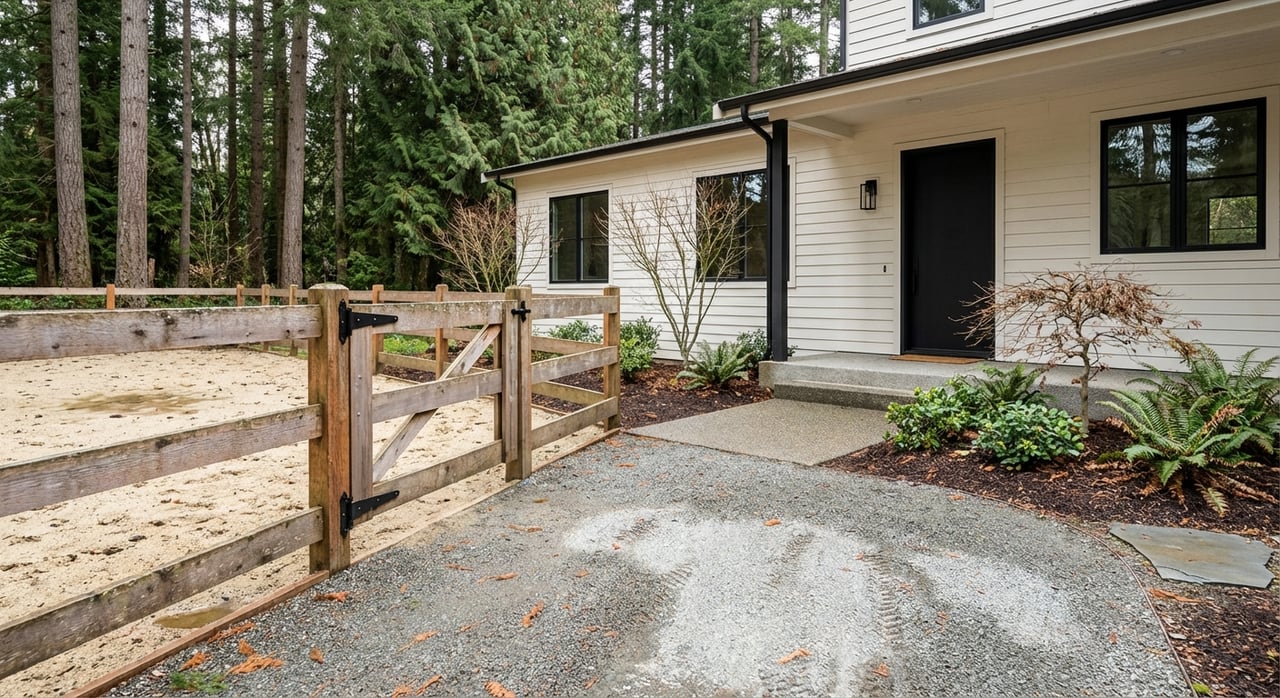
Bridle Trails sits between Bellevue, Kirkland, and parts of Redmond, and the neighborhood area crosses city boundaries as defined by local jurisdictions. The City of Bellevue describes it as heavily wooded with large-lot single-family homes and a semi-rural feel, supported by an active neighborhood association. You can explore the city’s neighborhood profile for context on setting and land use in the area used by Bellevue planners.
At the heart of the community is Bridle Trails State Park, a forested preserve and equestrian facility with multiple arenas, trailer-friendly parking, and a full calendar of schooling and show events. The state park lists 28 miles of maintained trails, and public sources commonly note a total park size of about 480 to 490 acres. The variation reflects different public references, but the lived experience is the same: a large, wooded “backyard” that anchors daily life.
- Learn more about the park’s trails and arena facilities on the official park page from Washington State Parks.
- For a concise overview of the park and stewardship partners, see the Bridle Trails Park Foundation’s visit page.
Zoning that preserves equestrian character
Bridle Trails’ look and feel comes from its land use rules. In the Bellevue portion, estate-style single-family districts rely on large minimum-lot-area standards, such as R-1 and R-1.8, which support a landscape of larger parcels and mature tree canopy. Typical lots span from around 35,000 square feet to several acres, with some smaller pockets closer to employment centers.
Kirkland’s portion of Bridle Trails includes an explicit equine policy. The city’s Animals in Residential Zones guidance explains where horses are allowed, including RS 35 and RSX 35 zones and certain larger planned lots, along with paddock set-aside requirements. Kirkland also uses an Equine Advisory Board to review certain modifications, which helps preserve the neighborhood’s ability to keep horses at home.
If you are considering changes to barns or paddocks, or if you want to understand trail easements and setbacks, review local advisory and meeting notes. These procedures often shape how owners maintain or improve equestrian features.
- Bellevue Land Use Code reference for dimensional standards
- Kirkland’s Animals in Residential Zones overview
- South Rose Hill–Bridle Trails meeting notes on equine overlay and advisory reviews
Daily rhythm and park etiquette
For horse households, mornings often include barn chores, grooming, and a ride directly into the park or along private bridle paths. Weekends frequently feature schooling and hunter-jumper shows at the park’s arenas, coordinated by local partners like the Lake Washington Saddle Club. Even if you do not ride, you will likely notice horses on the move and an event rhythm that marks the seasons.
Trail etiquette shapes neighbor interactions. In the state park, horses have right-of-way, dogs must be leashed, and bicycles and motorized vehicles are not allowed on bridle trails. These simple rules keep everyone safe and set a calm, respectful tone on shared paths.
- View the Lake Washington Saddle Club calendar and programs
- Check Bridle Trails State Park guidance on trail use and rules
Nature, privacy, and community
Two-thirds of the area is described in city material as second-growth timber. That canopy, combined with larger lots and equestrian setbacks, creates a private, park-like street character. Wildlife sightings are common, and the mood feels different from denser suburban subdivisions nearby.
Community stewardship is a big part of the story. The Bridle Trails Community Club advocates for trees, parks, and neighborhood priorities. The Bridle Trails Park Foundation coordinates volunteer efforts to maintain trails and amenities. The Lake Washington Saddle Club brings programming and shows that energize the calendar. Together, these groups help preserve the area’s semi-rural identity.
- Bridle Trails Community Club
- Bridle Trails Park Foundation
Convenience without sacrifice
One of Bridle Trails’ best features is how it balances quiet living with Eastside access. You are a short drive from downtown Bellevue, Microsoft/Overlake, and Redmond. Drive times vary by traffic, but the proximity to SR 520 and I 405 keeps work and errands practical.
Transit options on the Eastside include higher-frequency bus service along the Overlake and 148th corridors that connect to Bellevue Transit Center. For daily needs, you can reach grocers, services, and dining in nearby centers like Crossroads, Totem Lake Village, and Overlake/Redmond Town Center within a short drive. Local parks and Bellevue Golf Course add more everyday recreation close to home.
Schools and attendance areas
Addresses in the southern and central parts of Bridle Trails are commonly within the Bellevue School District, with Cherry Crest Elementary, Odle Middle School, and Sammamish High School often noted in city materials. Northern addresses in the broader Bridle Trails area may fall within the Lake Washington School District. Always verify school boundaries by specific property address before you decide.
- Bellevue’s neighborhood profile offers a neutral overview of the area
Buyer checklist for Bridle Trails
Use this quick list to guide your due diligence. Each item matters for lifestyle, long-term costs, or equestrian use.
- Utilities and on-site systems. Confirm whether the property has public water and sewer or relies on a well and septic. This affects permits, future upgrades, and long-term maintenance.
- Zoning and horse permissions. Verify the parcel’s city, zoning designation, and any equine overlays. Review paddock set-aside rules and whether an Equine Advisory Board review is needed for changes.
- Kirkland’s Animals in Residential Zones guidance
- Bellevue Land Use Code, dimensional standards
- Trail access and easements. Ask if there is a legal trail easement, a private gate, or only nearby access. Direct park connections often carry a lifestyle premium.
- Bridle Trails Park Foundation visit page
- Barns, paddocks, and setbacks. Review city guidance on conversions and setbacks. Some changes may trigger review, so plan early.
- South Rose Hill–Bridle Trails meeting notes
- Maintenance realities. Acreage requires fencing upkeep, pasture and manure management, and arena care if present. Park events can bring welcome energy and occasional weekend parking activity.
- Lake Washington Saddle Club calendar
- Parking and maneuvering. If you plan to trailer out, check driveway width, turnarounds, and street conditions for safe access.
- Neighborhood rhythm. If you value quiet weekdays and active, horse-focused weekends, you will likely feel at home here.
Is Bridle Trails a fit for you?
Choose Bridle Trails if you want space, trees, and equestrian-friendly rules, yet still need quick access to Eastside job centers. Expect more land to manage and regular horse activity in the neighborhood. In return, you get privacy, a strong stewardship culture, and a rare urban-forest park as your daily backdrop.
If you are weighing an acreage purchase or a horse-ready property, thoughtful planning pays off. From zoning checks and utility reviews to trail easements and vendor coordination, having an advisor who lives in the details can save you time and risk.
Start a calm, informed search
You deserve a methodical, concierge approach for a high-stakes purchase. Our team specializes in Eastside neighborhoods like Bridle Trails and brings disciplined analysis, local vendor partners, and skilled negotiation to every step. Ready to align a property with your goals? Connect with Karen Balkin to plan your next move. Request a Confidential Home Valuation.
FAQs
How big is Bridle Trails State Park and what does it offer?
- The park features about 28 miles of maintained trails and is commonly cited around 480 to 490 acres, with multiple arenas and trailer parking for equestrian use.
Are horses allowed on residential lots in Bridle Trails?
- Yes, in designated zones. Kirkland’s equine overlay allows horses in areas like RS 35 and RSX 35 with paddock requirements, and some changes may require Equine Advisory Board review.
What trail etiquette should I know before using Bridle Trails?
- Horses have right-of-way, dogs must be leashed, and bicycles and motorized vehicles are not allowed on bridle trails within the state park.
What is the typical lot pattern in the Bellevue portion of Bridle Trails?
- Estate-style single-family districts like R-1 and R-1.8 use large minimum-lot areas, resulting in larger parcels and a wooded, semi-rural feel.
How close is Bridle Trails to Eastside job centers and services?
- You are a short drive from Bellevue, Redmond, and Overlake, with transit links along major corridors. Shopping and dining hubs like Crossroads and Totem Lake are nearby.
How do I verify school assignments for a specific address in Bridle Trails?
- Check current district boundary maps by address. City neighborhood profiles offer neutral overviews, but final confirmation should come from the school district.