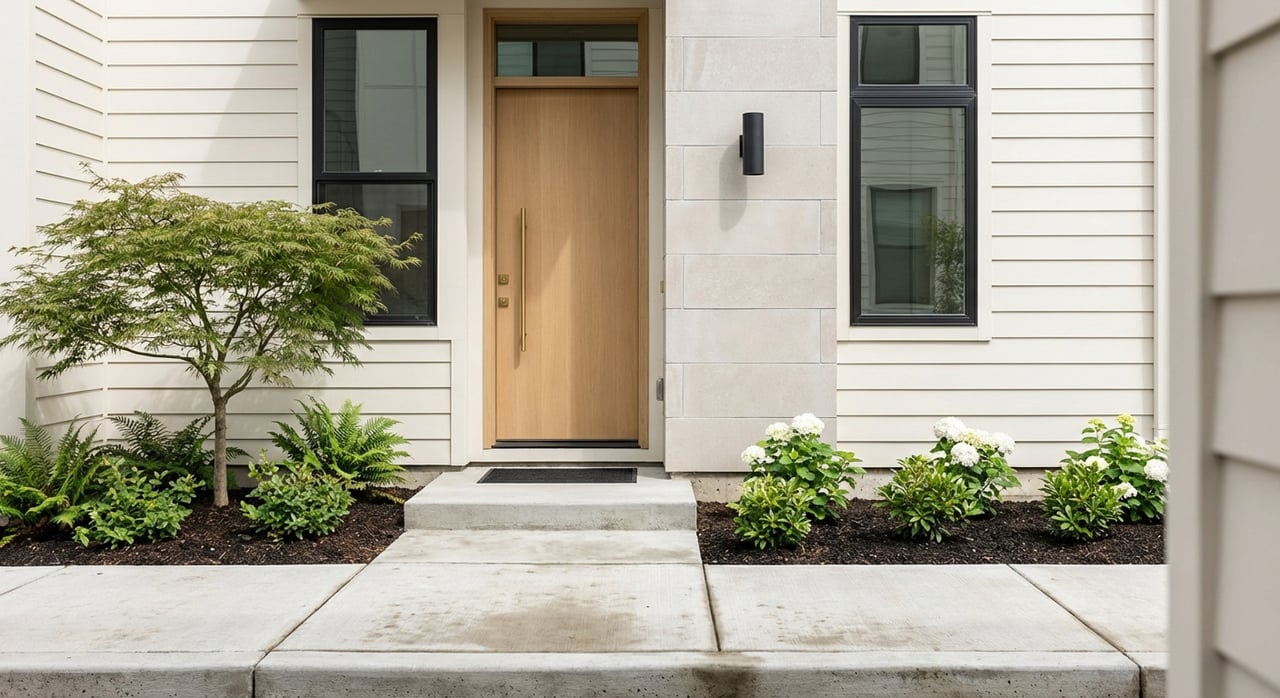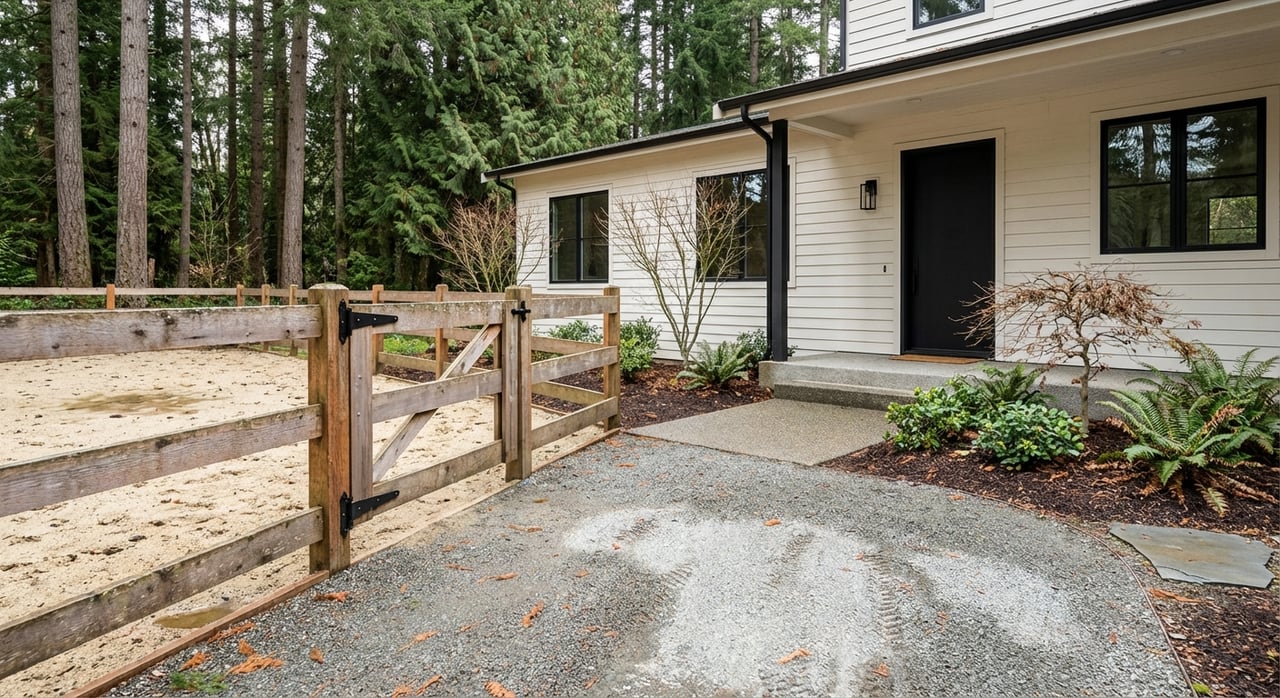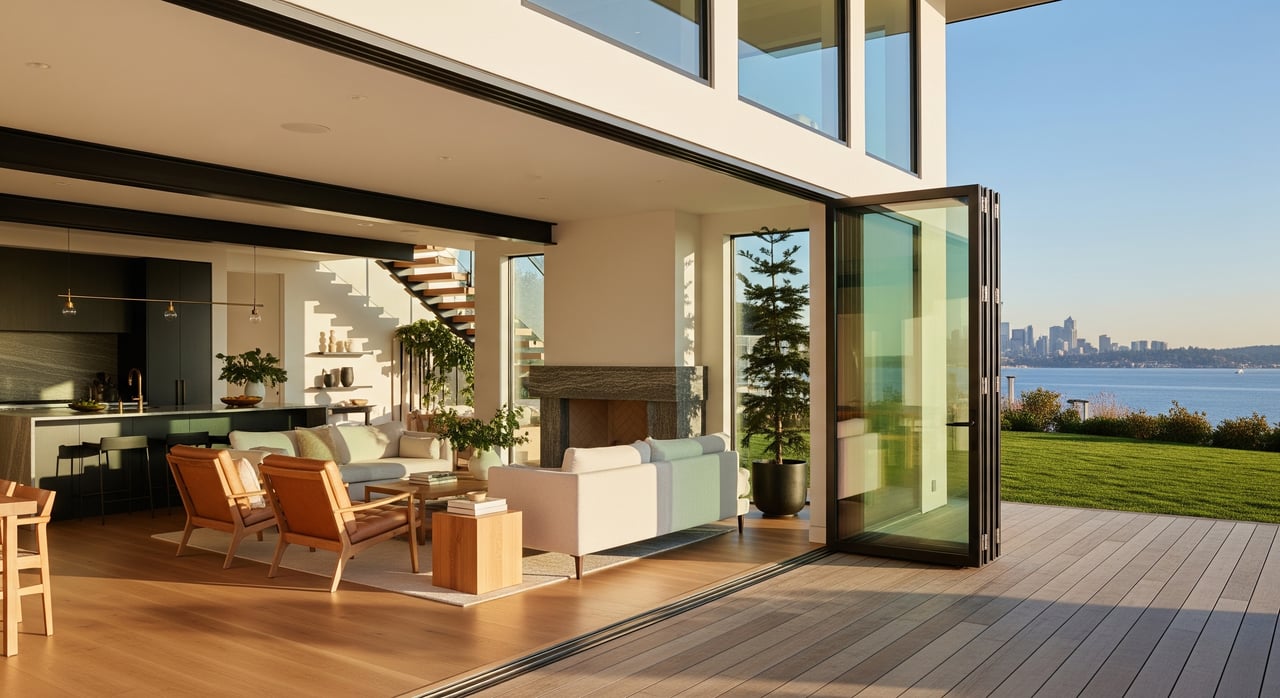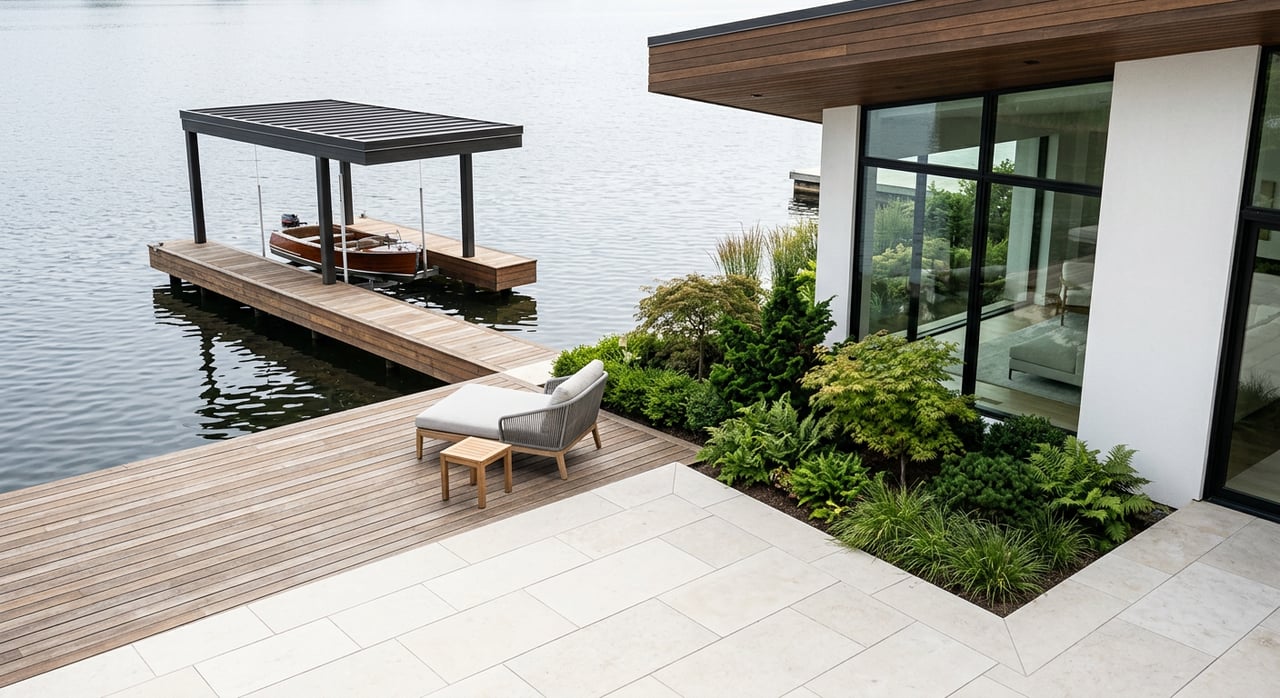
If you are weighing Medina against Hunts Point for Eastside waterfront living, you are choosing between two of Lake Washington’s most private enclaves. Both offer rare shoreline, exceptional homes, and a quiet pace that feels a world away from the city. The key is knowing how they differ on privacy, lot scale, boating logistics, commute patterns, and market dynamics so you can match the right address to your goals. This guide breaks it down with practical, buyer-focused insights. Let’s dive in.
Medina vs. Hunts Point at a glance
Medina overview
Medina is an incorporated city on a Lake Washington peninsula with a council–manager government and a calm, residential feel. City sources place the resident count just over 3,000, which helps explain the intimate scale and low housing turnover. The city describes itself as a quiet, affluent lakeshore community that values neighborhood character and well-kept streets. You can learn more on the city’s page about the City of Medina.
Hunts Point overview
Hunts Point is a separate, incorporated town on a small peninsula just north of SR 520. It emphasizes single-family residences, privacy, and very limited commercial activity. The town notes that it is among the smallest municipalities in western Washington, which contributes to a secluded, small‑town feel. Get a sense of the town’s priorities on the Town of Hunts Point website.
Why small scale matters for buyers
Both enclaves have very low housing counts. A single sale can swing published medians, and one new construction listing can reset headlines, at least on paper. Treat broad market indices as context, not a pricing blueprint, and rely on address‑level comps when it is time to offer.
Waterfront, lots, and setting
Lot scale and shoreline character
- Hunts Point: Many waterfront parcels are estate‑scale for the Eastside, often ranging about 0.3 to 0.9 acres, with a few legacy lots over 1 acre. Expect generous frontage on select parcels, though usable depth and shoreline features vary by address.
- Medina: You will find a broader mix. Waterfront can include half‑acre estates, while interior streets offer smaller parcels, mid‑century homes, and newer construction. Shorelines include bulkhead‑protected lawns, terraced accesses, and private piers.
Property types and features
At the top end in both communities, waterfront estates with private docks, manicured lawns, and outdoor living spaces set the tone. Inland Medina provides more variety for buyers who want newer construction or a non‑waterfront residence with easier maintenance and quick access to Bellevue.
Docks, moorage, and permits
Private docks and lifts are common, but they come with layered rules. Dock construction and repair can involve the local Shoreline Master Program, Washington Department of Fish and Wildlife (HPA permits), and in some cases the US Army Corps or Washington Department of Natural Resources if structures extend over state aquatic lands. A helpful local overview of timing and best practices is available in this guide to dock permits and repair considerations in Medina.
Here is how to approach it:
- Verify the permit history for any existing dock, including city shoreline determinations and WDFW Hydraulic Project Approval documents. Review whether any DNR authorization applies.
- Ask if boat lifts and dock components are transferable in the sale and confirm their compliance status.
- Understand in‑water work windows that protect fish habitat. These windows dictate when you can complete repairs or replacements. See WDFW’s overview of Hydraulic Project Approval to frame timelines.
- Start permit due diligence early so your boating plans align with your first season on the lake.
Owners often rely on private moorage for day‑to‑day use. Public launches and full‑service marinas exist around Lake Washington, but availability and guest‑moorage rules vary. If you host larger vessels or frequent visitors, map marinas and launch points during your search.
Getting around: commute and daily logistics
Seattle access via SR 520
SR 520 is the primary route across the Evergreen Point floating bridge into Seattle. It is tolled, and travel times vary by hour and incident. Federal summaries of corridor pricing and reliability note that conditions can shift significantly with congestion and events. For context, review the FHWA overview of congestion pricing and reliability on SR 520 corridors.
Typical off‑peak drives from Medina to downtown Seattle can be under 20 minutes when conditions are favorable. A common snapshot places it around 16 minutes, though this changes by time of day. You can see an example estimate on Travelmath’s driving-time calculator. Plan for a wider window during peak hours.
Proximity to Bellevue and transit reality
Both Medina and Hunts Point sit close to downtown Bellevue and Eastside employment centers. Many residents rely on private cars or chauffeured transport, with limited local commercial walkability. If transit matters to you, confirm bus routes and schedules with King County Metro based on the specific address.
Which enclave fits your priorities?
If you value maximum privacy
Hunts Point tends to suit buyers who prize seclusion, estate‑scale parcels, and a very small‑town setting. Tree cover, low traffic, and the town’s narrow focus on single‑family residential living create a discreet environment. Explore the town’s posture on residential character at the Hunts Point website.
If you want variety and quicker access
Medina offers lakefront living plus more variety inland. You can find updated and new construction off the water, and its position along the 520 corridor provides flexible access to Bellevue and Seattle depending on your routine. The city’s profile and municipal services are outlined on Medina’s community page.
Market dynamics to keep in mind
- Headline medians are volatile. Recent snapshots placed Medina’s median sale price around 4.2 million dollars. Hunts Point’s published medians vary widely by index, with one list‑price snapshot around 4.67 million dollars and a value index near 7.98 million dollars. The spread reflects tiny sample sizes and different methodologies.
- One sale can skew the data. In micro‑markets with only a handful of trades, a single estate or new construction listing can move charts more than it moves true values.
- Use address‑level comps. When you are serious about a property, rely on NWMLS comps and county records for accurate pricing and tax history. Your agent should interpret days on market, concessions, and renovation quality to fine‑tune value.
Buyer due diligence checklist
Use this list to streamline your evaluation before you narrow the search:
- School assignment: Confirm the exact attendance area at the property level with the district. Boundaries can change and vary by address.
- Shoreline and dock status: Gather city shoreline permits, WDFW HPA documents, and any DNR authorization if structures extend over state aquatic lands. For process timing, review WDFW’s HPA guidance and local notes on dock repair timelines.
- Flood and hazard mapping: Check FEMA’s Flood Map Service Center to assess elevation, potential flood insurance needs, and any permit implications. Start with the FEMA map portal.
- Title, easements, and access: Review recorded shoreline easements, shared moorage agreements, and any restrictions on boathouses or guest moorage.
- Survey and shoreline condition: Order a current ALTA/NSPS survey. Review bulkhead or riprap records and consider a light geotechnical review if you plan additions or major landscape work.
- Taxes and carrying costs: Large waterfront assessments translate into material annual tax bills. Analyze assessments and trends to plan for long‑term holding costs.
- Utilities and service logistics: Confirm sewer versus on‑site systems, water service, and broadband. Verify access for vendors, staff, and deliveries.
How to choose with confidence
Start by ranking what matters most: privacy, lot size, boating needs, commute flexibility, or neighborhood variety. Then compare that list to each enclave’s strengths. Hunts Point leans toward estate‑scale privacy and a tiny‑town setting. Medina blends lakefront prestige with more housing variety and close‑in access to Eastside hubs. In both places, ultra‑low inventory and nuanced waterfront variables reward early planning and precise due diligence.
If you want experienced help evaluating shoreline, permits, and pricing in these micro‑markets, we work quietly and efficiently with a curated network of waterfront vendors and consultants. Our process is built for high‑end homes: calm, methodical, and data‑driven, with strong negotiation at the moments that matter. When you are ready to tour privately or discuss strategy, connect with Karen Balkin for a confidential conversation.
FAQs
What are the key differences between Medina and Hunts Point for privacy?
- Hunts Point tends to offer larger estate‑scale lots and a very small‑town setting, while Medina provides lakefront prestige plus more housing variety and quick Eastside access.
How do dock permits work on Lake Washington waterfront homes?
- Docks are regulated under local shoreline rules and often require a WDFW Hydraulic Project Approval, with in‑water work limited to fish‑window timing. Start early and confirm prior permits.
How reliable is the commute from Medina or Hunts Point to Seattle?
- SR 520 is tolled and travel times vary by hour and incident. Off‑peak trips can be quick, but allow a wider window during peak periods and use live traffic for planning.
Why do published home prices vary so much in these enclaves?
- Very small sample sizes and different index methods can swing medians. One sale or listing can move charts. Use address‑level comps and recent local sales for accurate value.
What due diligence should I do before buying a home with a dock?
- Verify city shoreline permits, WDFW HPA documents, any DNR authorization, structural condition, and whether lifts or moorage rights transfer. Understand in‑water work windows.
Do Medina and Hunts Point have public marinas or launches nearby?
- Day‑to‑day, owners rely on private docks. Public launches and marinas exist elsewhere on Lake Washington, but availability and guest‑moorage rules vary. Map options early in your search.