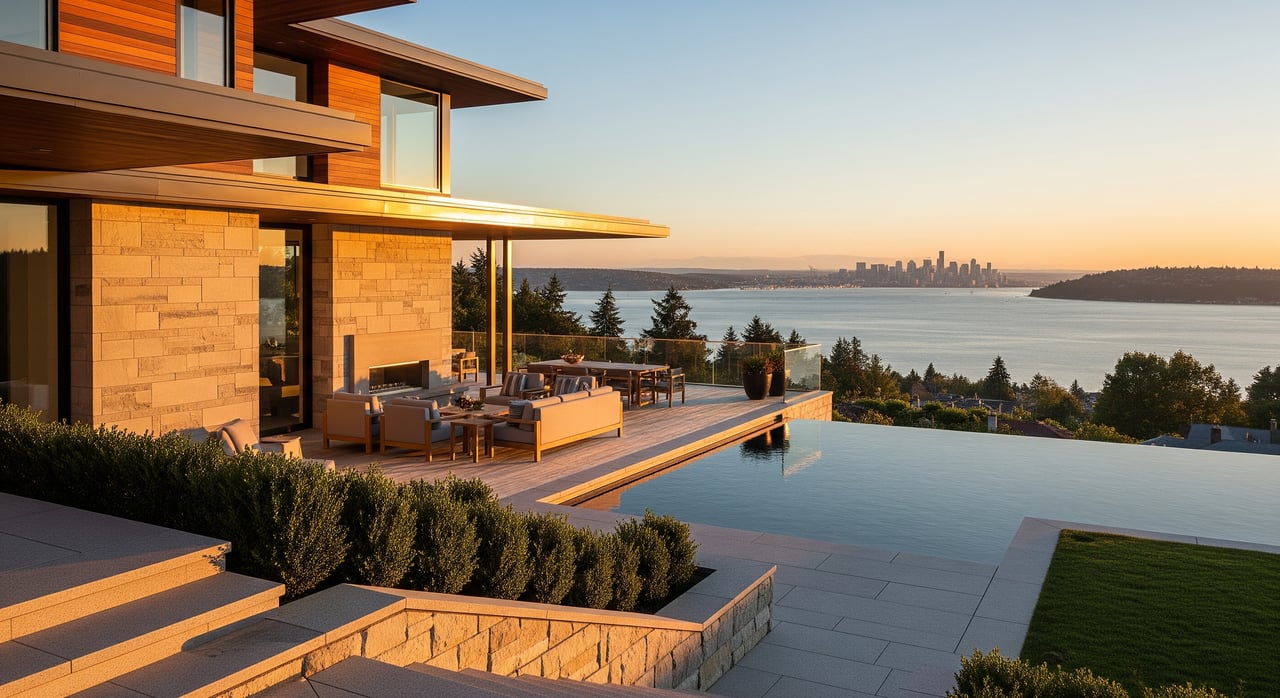
Pricing a luxury home in Clyde Hill can feel like threading a needle. One small misstep and you risk weeks on market or leaving money on the table. You want a strategy that respects your home’s unique features and meets qualified buyers where they are. In this guide, you’ll learn how to build a precise valuation, choose a smart list-price strategy, and launch your listing with confidence. Let’s dive in.
Why Clyde Hill pricing is different
Clyde Hill is a small, luxury-focused market with limited inventory at any given time. That scarcity makes each sale more influential and can cause bigger swings in pricing trends month to month. Headline medians often miss the mark here, so you need transaction-level comparisons.
Buyers are drawn by proximity to Bellevue and Seattle employment centers, privacy, views, and access to lifestyle amenities around Lake Washington. Relocation buyers and local high-net-worth households are common, which means expectations are high and details matter.
Build a valuation baseline
Start with comparable sales
Sales comps are your foundation. Focus on recent, nearby closings with similar view corridors, lot size and usability, privacy, architectural quality, and condition. For view homes, qualify the view specifically, such as partial versus unobstructed lake or skyline vistas. Weight the most similar, most recent comps the heaviest.
Layer a broker market check
A seasoned Eastside luxury broker adds qualitative insight you cannot pull from raw data. Current buyer appetite, competing inventory, and off-market interest help you calibrate pricing in a thin market. This broker perspective becomes essential when comps are sparse or your home has unique features.
Consider appraisals and cost approach
Appraisals support financed purchases but can lag fast-moving or highly unique segments, which may create appraisal gaps. For trophy or one-of-a-kind properties, a cost-to-replace perspective can inform value ranges, even if it is not the primary method.
Fine-tune for premium features
Adjust your baseline for the variables that drive luxury pricing on the Eastside. Key factors include:
- Views, qualified precisely by scope and protection
- Lot size and usable outdoor space such as flat yards and terraces
- Privacy and security features including gated entries or significant setbacks
- Condition and age, with emphasis on recent, high-quality renovations
- Architectural pedigree or designer name recognition
- Amenity set, such as pools, elevators, guest suites, wine rooms, theaters, and smart-home systems
- Access to Bellevue and Seattle, plus proximity to parks, marinas, and private clubs
Choose a pricing strategy
Anchor pricing
A single, well-researched list price is the most common path. It sets clear expectations, attracts the right buyer pool, and positions you for serious showings early in the launch.
Price banding
Listing at a targeted price band can help you reach a specific buyer segment. Use this tactically and stay close to true market value. Stretching too far risks extended days on market.
Pre-market and pocket options
“Coming Soon” exposure can test interest and build anticipation. Pocket listings can work for sellers who value discretion and already have access to qualified buyers. The tradeoff is less broad market feedback, which can reduce the chance of competitive bidding.
Psychological pricing signals
Precise figures, like 3,495,000, can signal data-driven pricing. Rounded numbers can feel more prestige oriented or suggest negotiation room. The right choice depends on your home’s position relative to the nearest comps and the pool of active buyers.
Local factors that shift value
Micro-markets and views
Waterfront, near-water, and view properties command meaningful premiums over interior lots. Even within Clyde Hill, slope and sightlines create distinct micro-markets. Larger parcels and usable flat yards are rarer and often more valuable.
Regulations, taxes, and permits
Sellers are responsible for Washington’s Real Estate Excise Tax. Rates can change, so confirm current guidance before listing. Review property tax assessments for expectation setting, and verify zoning, setbacks, and permit history for additions or remodels. Confirm actual school district boundaries for your address if schools are part of your marketing plan.
Physical constraints and risks
Topography affects access, parking, and future construction costs. Mature trees are an asset but can influence long-term view protection. Steep lots and significant additions may face complex permitting paths. These factors impact buyer suitability and, ultimately, price.
Launch and marketing to match price
A strong launch supports your price just as much as the comps.
Pre-listing ROI moves
Target improvements that lift perceived value without overcapitalizing:
- Deep declutter, professional staging, and neutral finishes
- Landscape refresh for curb appeal and privacy emphasis
- Minor kitchen or bath updates if dated
- Repair visible deferred maintenance
- Third-party inspections and condition reports to reduce friction
High-end photography, twilight shots, aerials, floor plans, and quality video or virtual tours are essential for luxury listings. These assets help buyers understand the lot, the view, and the flow.
Demand-building launch
Invite top Eastside and Seattle brokers for a preview. Coordinate targeted outreach to relocation specialists and corporate real estate contacts. Consider a defined offer review period that encourages serious buyers while preserving flexibility.
Showings, offers, and timelines
Private showings by appointment protect privacy and create a curated experience. Use limited open houses strategically. If the market response falls short of expectations, review feedback and traffic against your pricing thesis before you change course.
Plan for appraisal and negotiation
Avoid appraisal gaps
Luxury properties often face appraisal challenges because each home is unique. Solutions include a pre-listing appraisal or third-party valuation for added confidence, buyer pre-approval with strong lenders, and clear contract language to address potential gaps.
Multiple-offer dynamics
Multiple offers are less frequent than in the mid-market, but they do happen. Consider escalation clauses with transparent terms. Balance price with terms such as inspection timing and possession dates to protect your priorities.
Repositioning if not selling
Avoid quick price drops. Use broker feedback, days on market, and new comps to guide any adjustment. If momentum stalls, a short withdrawal, targeted improvements, and a thought-out relaunch can reset perception more effectively than incremental reductions.
Seller checklist
Use this plan to keep your pricing process focused and data-driven:
- Pull 12–36 months of relevant closed sales in Clyde Hill and nearby Eastside areas with similar view, lot, and condition
- Commission a pre-listing inspection; consider a pre-listing appraisal for unique homes
- Prepare premium marketing assets: staging, pro photography, twilight and drone, floor plans, property video, and a printed luxury brochure
- Build a broker preview list and a data packet outlining comps, upgrades, property details, and neighborhood context
- Decide on anchor, banded, or quiet-market pricing and document the rationale
- Set a price-review cadence, such as after 2–4 weeks, with clear decision thresholds
- Confirm REET, property tax, HOA or municipal items, and permit history so there are no surprises
Ready to price with confidence
A precise price in Clyde Hill starts with disciplined comps and a clear story about your home’s unique value. When you pair that with a polished launch and a plan for appraisal and negotiation, you protect your price and your timeline. If you want a boutique, concierge process and experienced negotiation on your side, connect with Karen Balkin to Request a Confidential Home Valuation.
FAQs
How do you price Clyde Hill view homes?
- Start with the closest, most recent view comps and qualify the view precisely. Adjust for view scope, lot usability, privacy, and renovation quality, then validate with a broker market check.
What pre-listing updates offer the best ROI?
- Focus on staging, landscape refresh, paint and finish neutralization, and repairing visible issues. Add high-impact visuals like twilight and drone to present the lot and views.
How do you avoid a luxury appraisal gap?
- Consider a pre-listing appraisal or third-party valuation, require strong buyer pre-approval, and use contract terms that outline remedies if the appraisal comes in low.
Is a pocket listing right for my home?
- It can be useful for discretion when you have a defined buyer pool. The tradeoff is less market feedback, which may reduce competition and price discovery.
How do schools and commute factor into pricing?
- Proximity to public and private schools and reasonable access to Bellevue and Seattle are common buyer considerations. Confirm school boundaries and commute times for your address.
When should I consider a price reduction?
- Review traffic, broker feedback, and new comps against your launch assumptions after 2–4 weeks. Make data-backed adjustments or improve presentation before reducing price.