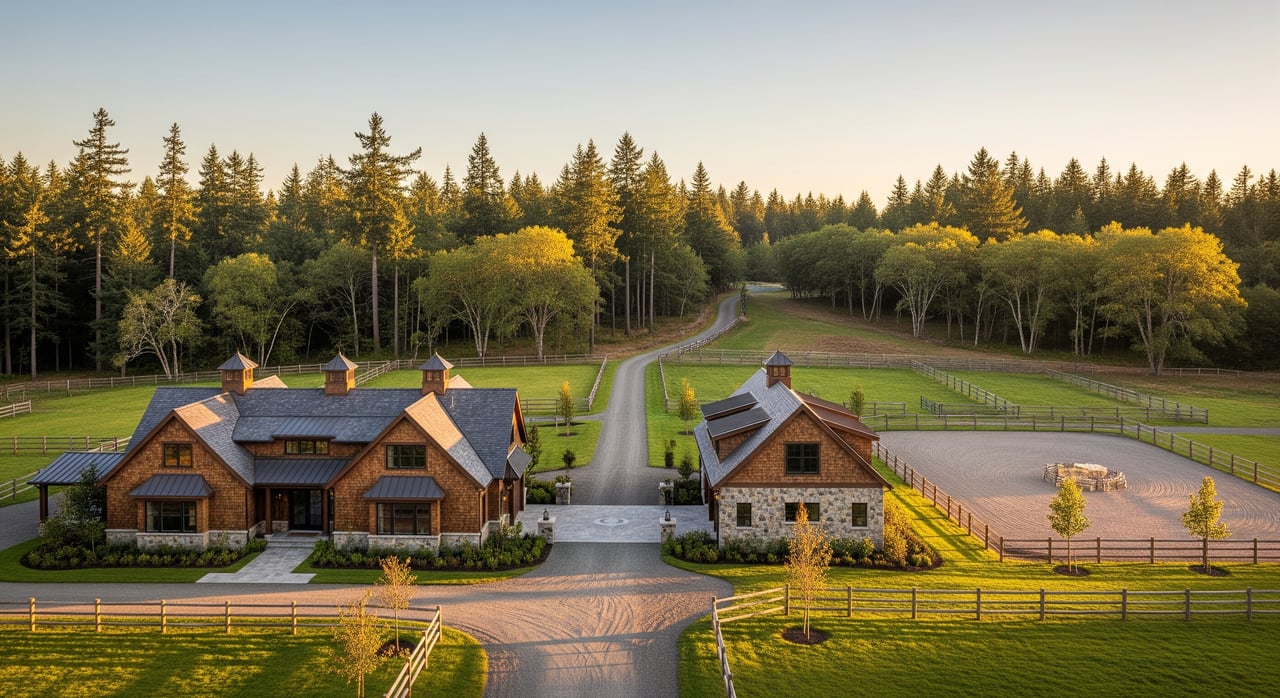
Selling a Bridle Trails equestrian property is different from selling a typical Eastside home. You are not just listing bedrooms and square footage. You are showcasing a lifestyle where stall count, arena footing, fencing, and trail access matter as much as the kitchen. In this guide, you will see the exact steps we take to verify, prepare, present, and promote Bridle Trails listings so serious horse buyers recognize the value and act with confidence. Let’s dive in.
Why Bridle Trails attracts the right buyers
Bridle Trails sits beside Bridle Trails State Park and its established riding network, offering a rare semi-rural feel near Bellevue, Kirkland, and Seattle employment centers. Buyers here want the balance of privacy, trees, and acreage with easy access to amenities and services. Many are active equestrians prioritizing trail proximity, reliable barn utilities, safe fencing, and functional arenas. Others are lifestyle buyers seeking space for multi-generational living or hobby-farm use with short commute times.
What matters most to equestrian buyers
You will attract the strongest offers when your marketing answers the questions horse owners ask first. The most important points include access to permitted riding routes, the condition and design of the barn, pasture health, and fencing quality. Utility capacity for equine needs is also key, including water, power to the barn, and septic considerations. We tailor your listing story to highlight these operational details, not just pretty pictures.
Pre-listing verification that builds trust
Before we ever bring in a photographer, we verify the details equestrian buyers rely on. This prevents surprises later and makes your listing documentation feel complete and credible.
Verify jurisdiction and trail access
Local rules vary by parcel, which may fall under Bellevue, Kirkland, or unincorporated King County. We confirm the jurisdiction, then review the applicable land-use code for number of animals, accessory structures, setbacks, and any conditional use requirements. We also check recorded easements and trail access, since not every parcel has legal access to Bridle Trails even if it is nearby. Accuracy here lets us describe location benefits clearly, using precise language like adjacent, nearby trailheads, or deeded access only when documented.
Document utilities and systems
Horse facilities place specific demands on utilities. We compile water sources and delivery to barns, frost-free spigots and hydrants, and any backup supply. We review septic permits and maintenance records, plus electrical service to the barn for lighting, heated waterers, and arena lights. This level of documentation reassures buyers the property is equestrian-ready.
Capture the barn and arena details
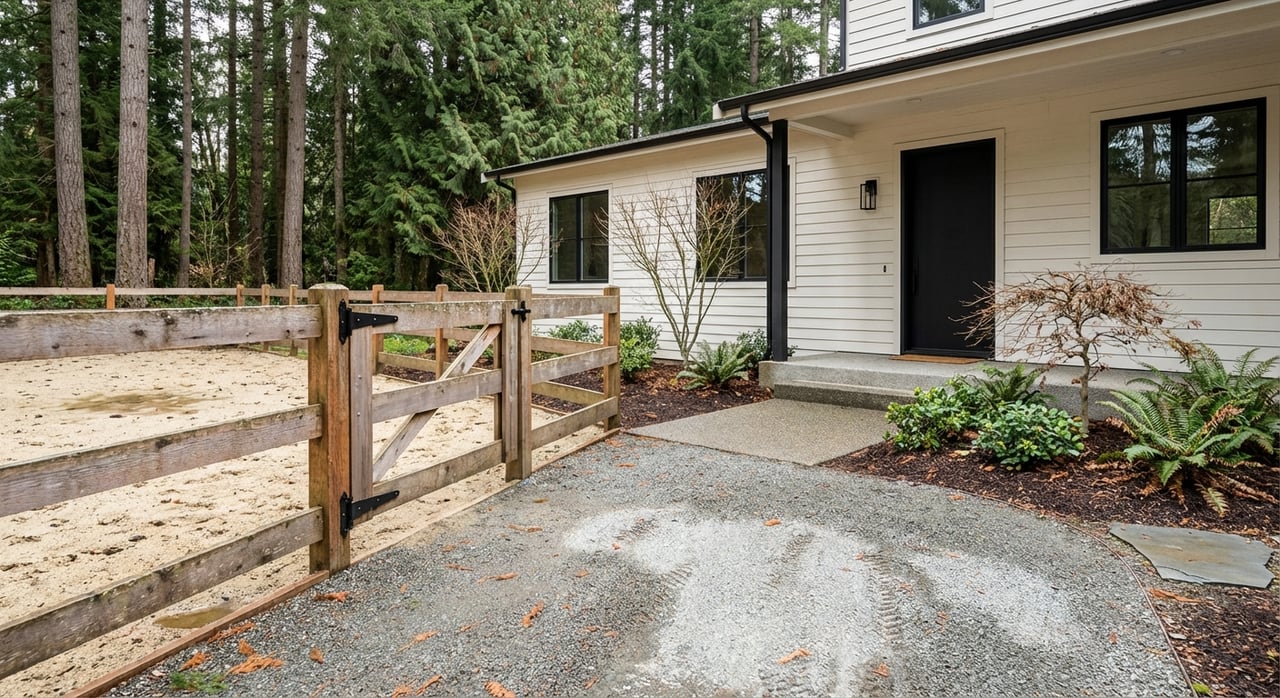
We create a concise facility factsheet with measurements, materials, and maintenance history. This includes stall count and sizes, aisle width, ventilation, tack and feed rooms, hay storage separation, wash racks or wash stalls, and manure storage. For arenas, we note surface type, drainage, size, fencing, and lighting. We also detail fencing materials and condition, cross-fencing, gate hardware, and pasture management.
Assess environmental and site risks
We evaluate drainage, wet zones, soil compaction, and tree hazards near paddocks and lanes. We also look at fire safety around barns and outbuildings. When advisable, we recommend an equine-savvy contractor or environmental specialist to assess fencing, arena footing, and any potential wetland or floodplain concerns. Addressing these items early can prevent negotiation friction later.
Strategic prep to maximize value
Thoughtful preparation elevates buyer confidence and your buyer pool.
- Perform pre-listing inspections for the home and barn structures, including roof, electrical, and safety checks.
- Inspect fencing and arena surfaces, and complete visible repairs that demonstrate stewardship.
- Organize well and septic records, utility bills, permits for prior improvements, and any covenants or HOA rules.
- Tidy and stage the barn and tack rooms, remove clutter, repaint where scuffed, and present clean stalls and orderly feed areas.
- Prepare a “barn tour” script for showings outlining daily routines, manure management, and emergency procedures.
Messaging that resonates with buyers
Our listing copy highlights the equestrian value and lifestyle clearly and accurately.
- Lifestyle benefits: proximity to Bridle Trails State Park, tree canopy and privacy, and short drives to Eastside amenities and services.
- Functionality: barn with stall count and stall sizes, arena readiness, pasture irrigation or rotation plan, and power and water delivery to the barn.
- Safety and management: fencing quality, secure gates, separated hay storage, and a clear manure plan.
- Options for use: hobby farm or personal training potential when aligned with local land-use rules. We avoid unverified claims about commercial boarding.
Visual storytelling that sells the property
Great equestrian marketing shows how the property works day to day. We invest in assets that bring the lifestyle to life.
- Aerial and drone video to capture paddock layout, barn placement, arena orientation, and proximity to trailheads or park boundaries you can legally reference.
- Ground photography of stalls, tack and feed rooms, hay storage, fencing close-ups, arena footing, waterers, and turnout areas.
- Short action videos showing a ride in the arena or a trailering sequence, so buyers can visualize use.
- 3D walkthroughs of the home and barn for out-of-area buyers.
- A labeled site map and floor plan with stalls, paddocks, fencing types, hay and manure areas, and utility locations.
- A narrated one to three minute video explaining barn flow, daily routines, and the maintenance rhythm.
Distribution that reaches equestrian buyers
We market broadly while targeting the equestrian community specifically.
- MLS with complete equine fields and a detailed facility factsheet attachment.
- Syndication to major portals for maximum exposure.
- Specialty equestrian outlets and regional online communities to reach active horse owners.
- Social media reels and targeted ads highlighting arena use, fencing, and trail proximity, aimed at Eastside equestrian audiences.
- Broker-to-broker outreach with agents who regularly serve equestrian buyers on the Eastside and in Seattle.
- Appointment-based open houses or private showings timed to allow arena demonstrations while minimizing stress on resident animals.
Pricing and financing strategy
Valuing an equestrian property takes more than a standard CMA. We analyze size and usable acreage, the quality and number of equine improvements, and proximity to job centers. We adjust for equestrian-specific features like arena quality, stall count, and irrigated pasture, and consult with appraisers experienced in hobby farms when needed.
Financing can vary. Some buyers use local banks familiar with Eastside equestrian properties or pay cash. If the property may support income use, we coordinate early with lenders and appraisers so underwriting aligns with the property’s characteristics and local land-use rules. Early clarity helps avoid delays and keeps negotiations focused on value.
Negotiation points we manage
Equestrian transactions come with unique terms. We anticipate them and prepare you for a smooth close.
- Inspection credits or repairs related to barns, fencing, drainage, or manure storage.
- Conveyance of equipment or fixtures specific to barn operations, documented clearly.
- Scheduling windows for buyer specialists like equine contractors or veterinarians.
- Precise language around access and use, supported by recorded documents and permits.
Showings designed for equestrian buyers
We structure showings around the property’s strengths. Serious buyers appreciate seeing a horse worked in the arena, turnout flows, and equipment access. When appropriate, we plan demonstrations, confirm safety measures, and share the barn tour script so every visitor understands the daily routine. This practical perspective helps buyers connect the dots between features and real-world use.
What you can expect from our team
Our Eastside-focused, concierge model is built for properties that demand precision and polish. You get senior broker leadership, expert negotiation, bespoke marketing, and a curated vendor network to prepare and present your property with confidence. We communicate clearly, manage details from document prep to video production, and keep the process calm and predictable. Most of all, we tell your property’s equestrian story accurately, so buyers trust what they see and read.
Ready to talk strategy?
If you are planning to sell in Bridle Trails, we would love to tailor this plan to your property. We will verify the equestrian facts, assemble the right visuals, and position your home for high-impact exposure to serious horse buyers. For a private conversation and a data-backed pricing plan, connect with Karen Balkin to Request a Confidential Home Valuation.
FAQs
How do you confirm Bridle Trails trail access for a listing?
- We review recorded easements, plats, and park boundary documents, then use precise language like adjacent, nearby, or deeded access only when documentation supports it.
What documents should I gather before listing my equestrian property?
- Collect well logs or water bills, septic permits and maintenance records, barn maintenance logs, fencing repair history, arena upkeep schedule, covenants or HOA rules, and permits for past improvements.
How do you present barn features to out-of-area buyers?
- We build a facility factsheet with measurements and materials, add a 3D walkthrough of the barn and house, include labeled site maps, and produce short narrated videos showing daily flow.
What repairs or prep deliver the best return for horse properties?
- Fix broken or unsafe fencing, tidy and repaint stalls as needed, declutter tack and feed rooms, refresh arena footing if required, and address drainage or wet areas that could raise inspection flags.
How do you approach pricing when there are few comparable sales?
- We adjust for equestrian improvements using a comp set that includes arena quality, stall count, pasture functionality, and verified trail access, and we consult experienced appraisers when needed.
What are common negotiation items unique to equestrian sales?
- Credits or repairs for barn or fencing issues, clear terms on what equipment conveys, scheduled access for buyer specialists, and precise, documented language on access and permitted uses.